
Annual Yield
Per acre, certified field average across 60 acres
vs. Cotton Fiber
Lifecycle carbon footprint, third-party verified
Since 2019
No synthetic inputs across all cultivation cycles
Domestic hemp fiber, field to freight.
Seed to
Shipment.
Every stage is a data point. The sustainability case builds itself.
Seed to Soil
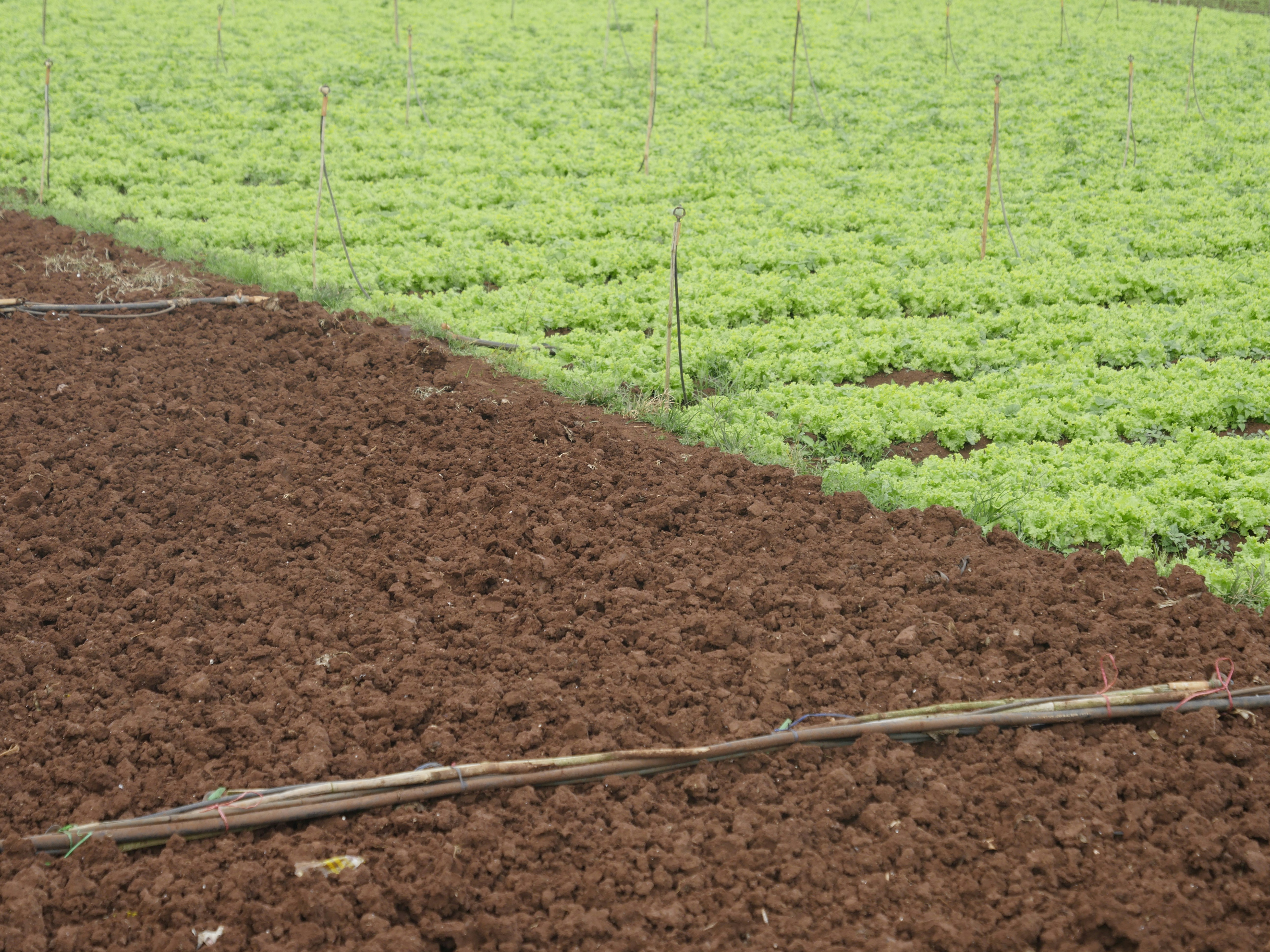
Certified hemp seed — variety selected for bast fiber density, not cannabinoid content — is drilled at 35 lbs per acre into prepared ground. No herbicide pre-treatment. Canopy closure at 30 days suppresses weed competition naturally.
Seed Rate
35 lbs/acre
Row Spacing
6 inches
Germination
4–7 days
70 Days to Canopy
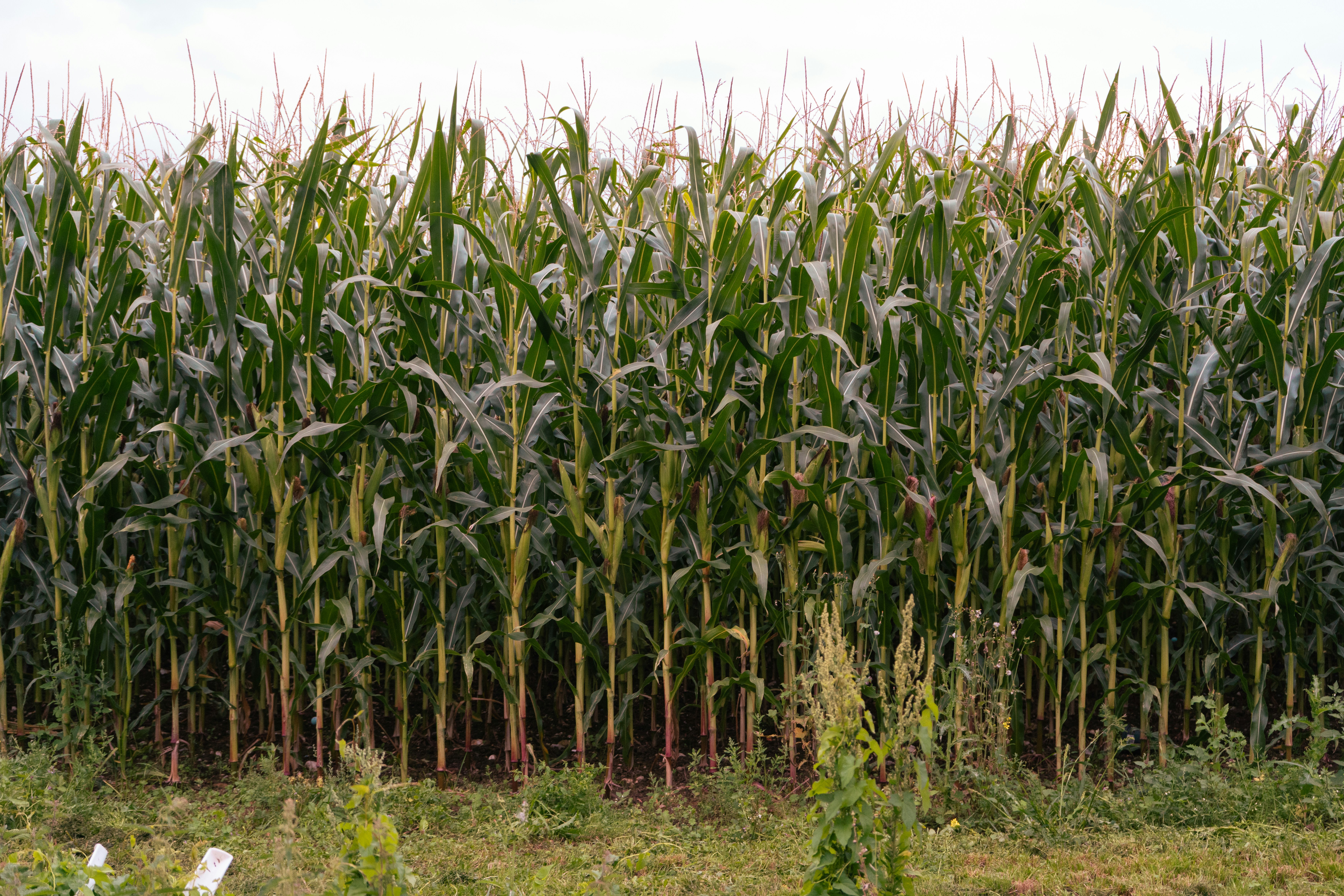
Hemp stalks reach 8–12 feet in 70 days. During this window the root system actively sequesters carbon into soil organic matter — an effect that persists across rotations. No irrigation beyond establishment in most seasons.
Stalk Height
8–12 ft
Growth Window
70 days
Water Draw
Rain-fed
Carbon Sequestered This Season
Estimated soil organic carbon accumulation, current growing season
Cut, Ret, Bundle
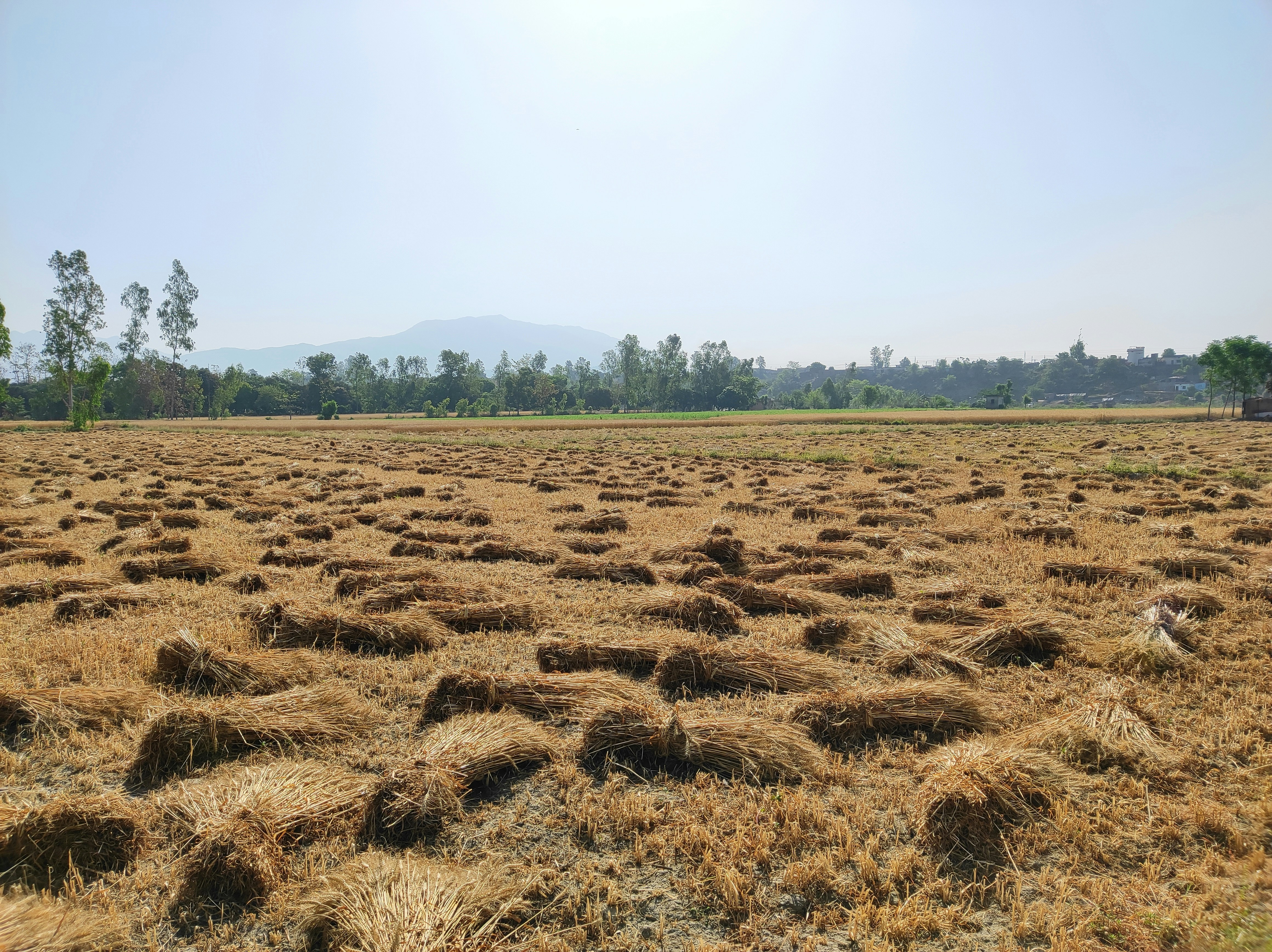
Stalks are cut at the base at peak bast maturity — before seed set. Field retting follows for 14–21 days, allowing microbial action to loosen the fiber from the woody core (hurd). Bundles are turned once for even retting.
Retting Period
14–21 days
Moisture Target
≤14%
Bundle Weight
40 lbs avg
Fiber Separation
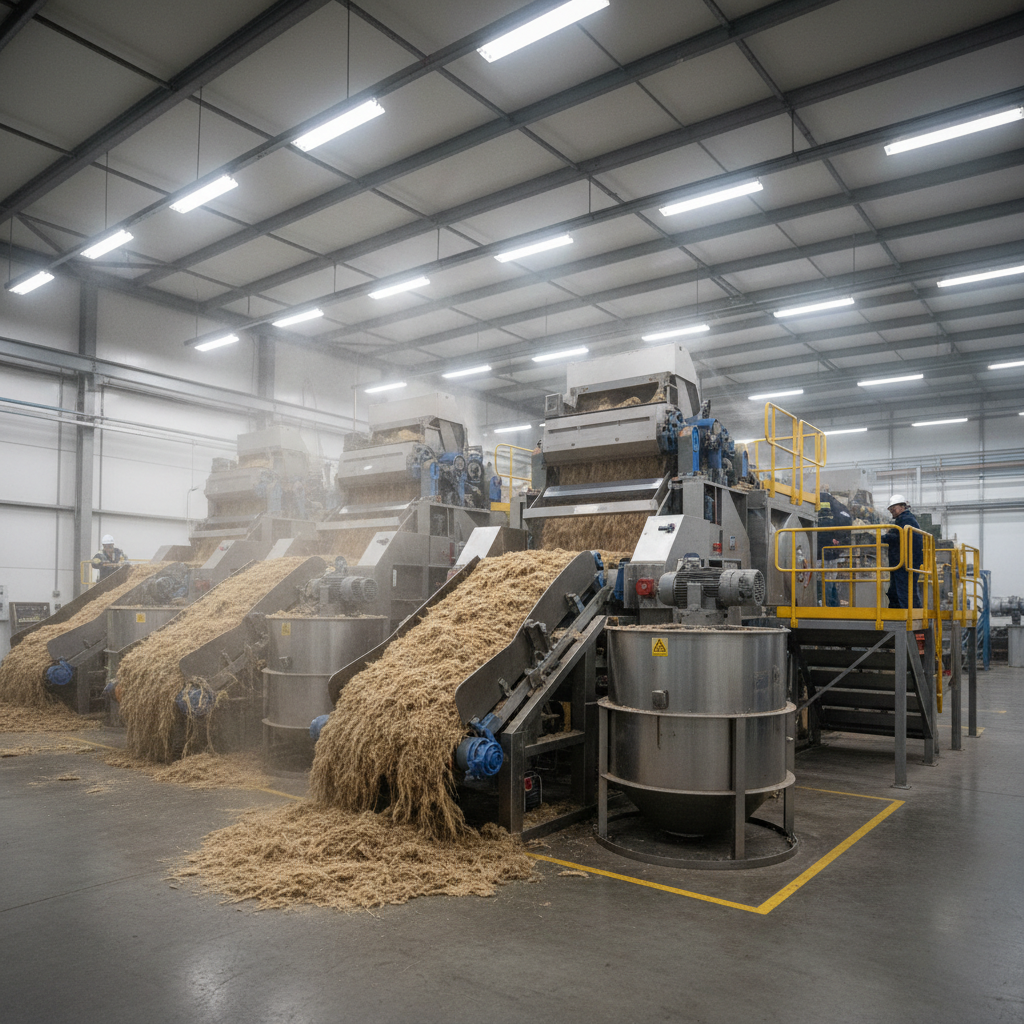
Dried bundles enter our on-site decorticator — a mechanical breaking and scutching line that separates long bast fiber from the hurd without chemical processing. Output is clean bast fiber ready for grading.
Processing Rate
1.2 T/hour
Fiber Recovery
28–32%
Chemical Input
None
Seen enough? The fiber is ready.
Samples ship within 5 business days of grade selection.
Three Grades.
One Source.
All grades originate from the same certified crop. Processing depth determines application fit. Tensile and moisture data verified by third-party textile lab.
Raw Bast
Long-line fiber direct from decortication. Minimal processing. Retains natural wax coating. Ideal for insulation batts, geotextile nonwovens, and biocomposite mat layups.
Applications
Most volume. Ships in 500 kg bales.
Request Raw Bast SampleDegummed
Water-retted and enzyme-degummed to remove pectin and lignin. Significantly improved softness and uniformity. Ready for nonwoven needle-punch or composite prepreg.
Applications
Most specified grade for industrial textile.
Request Degummed SampleCottonized
Mechanically cottonized to sub-40mm staple length with fineness approaching cotton. Blendable on standard ring-spinning and open-end rotor equipment. No retooling required.
Applications
Drop-in cotton replacement. 20 kg sample bags available.
Request Cottonized SampleWhere the
Fiber Goes.
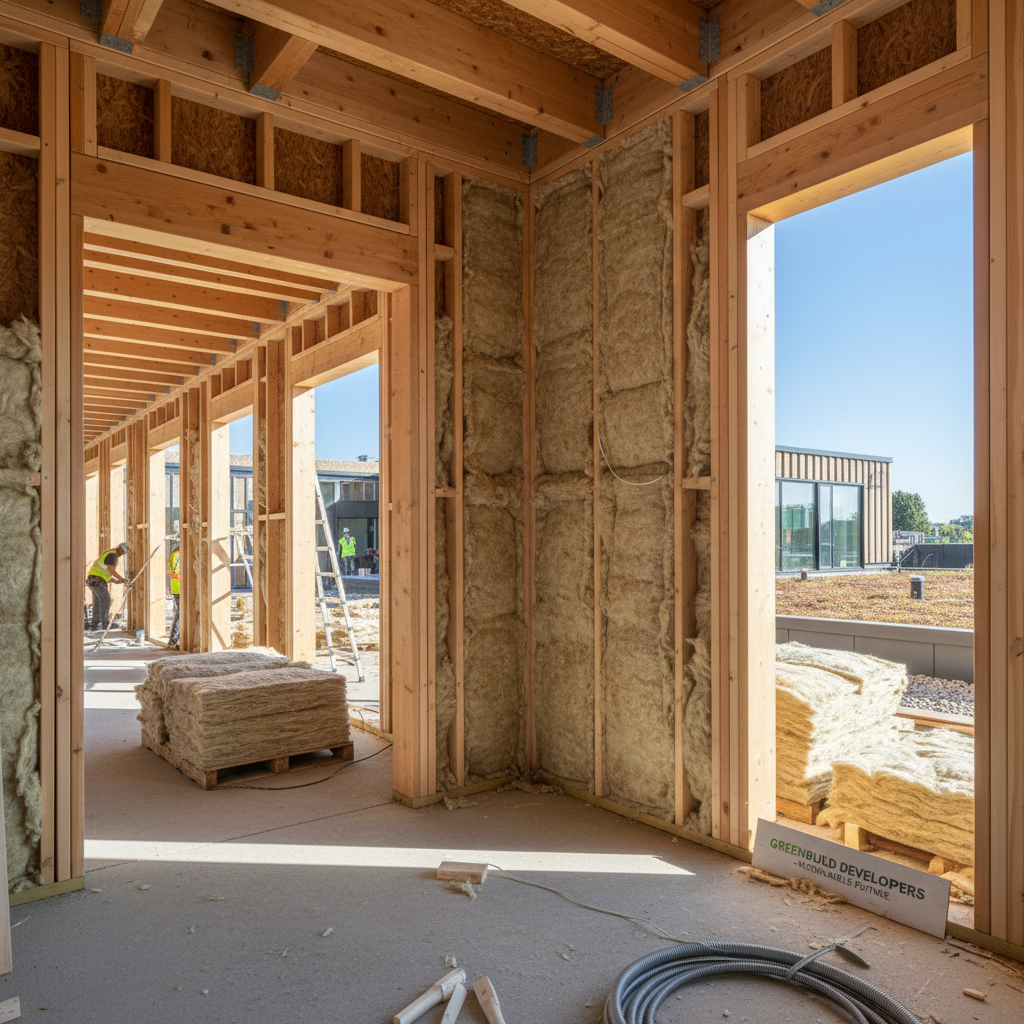
FB-01 Raw Bast
Insulation & Biocomposite Panels
Hemp bast fiber insulation outperforms fiberglass in vapor management and achieves R-3.5 per inch. Biocomposite panels use fiber-reinforced bioresin for structural decking and interior paneling — 40% lighter than wood composite, fully recyclable.
R-Value
R-3.5/in
vs. Fiberglass
−62% embodied carbon
Panel Density
180–220 kg/m³
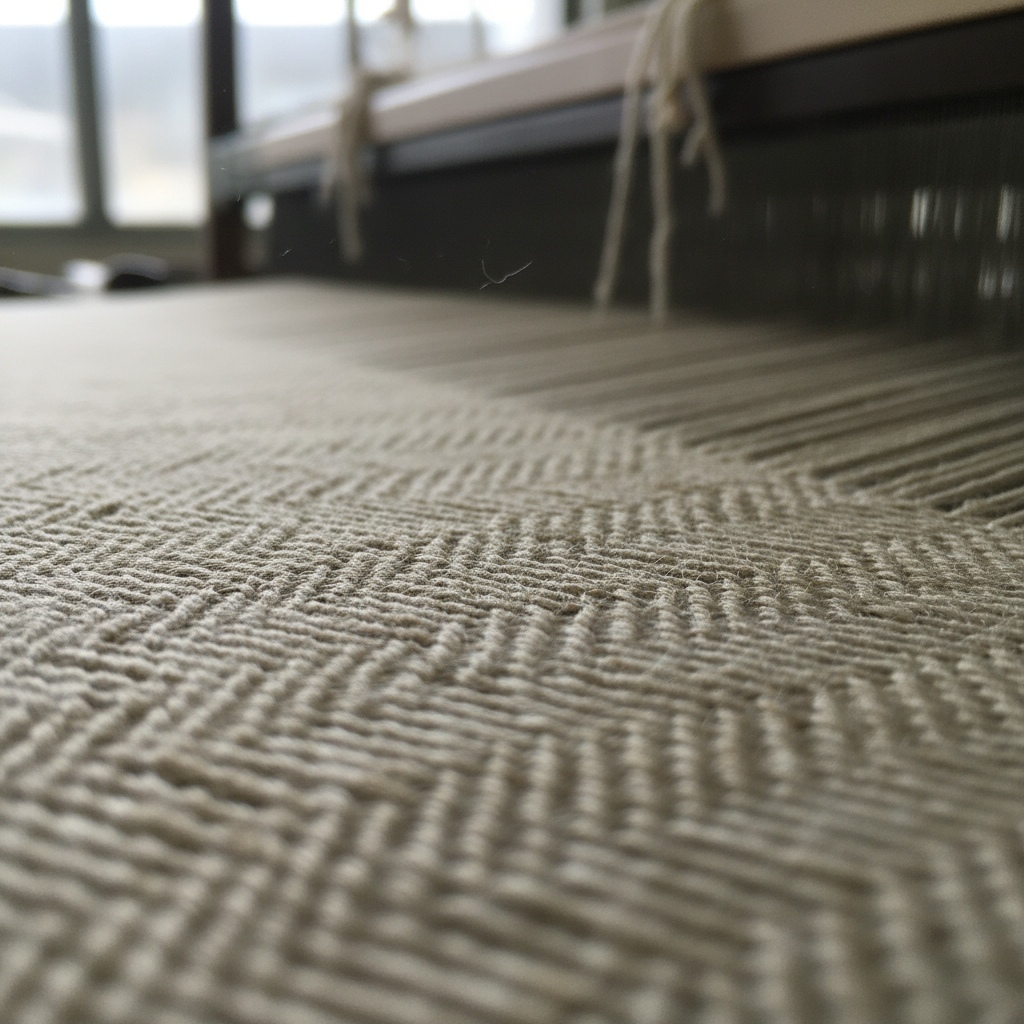
FB-02 Degummed / FB-03 Cottonized
Industrial Yarn & Woven Fabric
Cottonized hemp (FB-03) runs on standard ring-spinning equipment without modification. Blends 30–70% with organic cotton or recycled polyester. Degummed fiber (FB-02) enters needle-punch lines for automotive interior nonwovens and filtration media.
Blend Range
30–70% hemp
vs. Conventional Cotton
−68% water use
Yarn Count Range
Ne 10–40
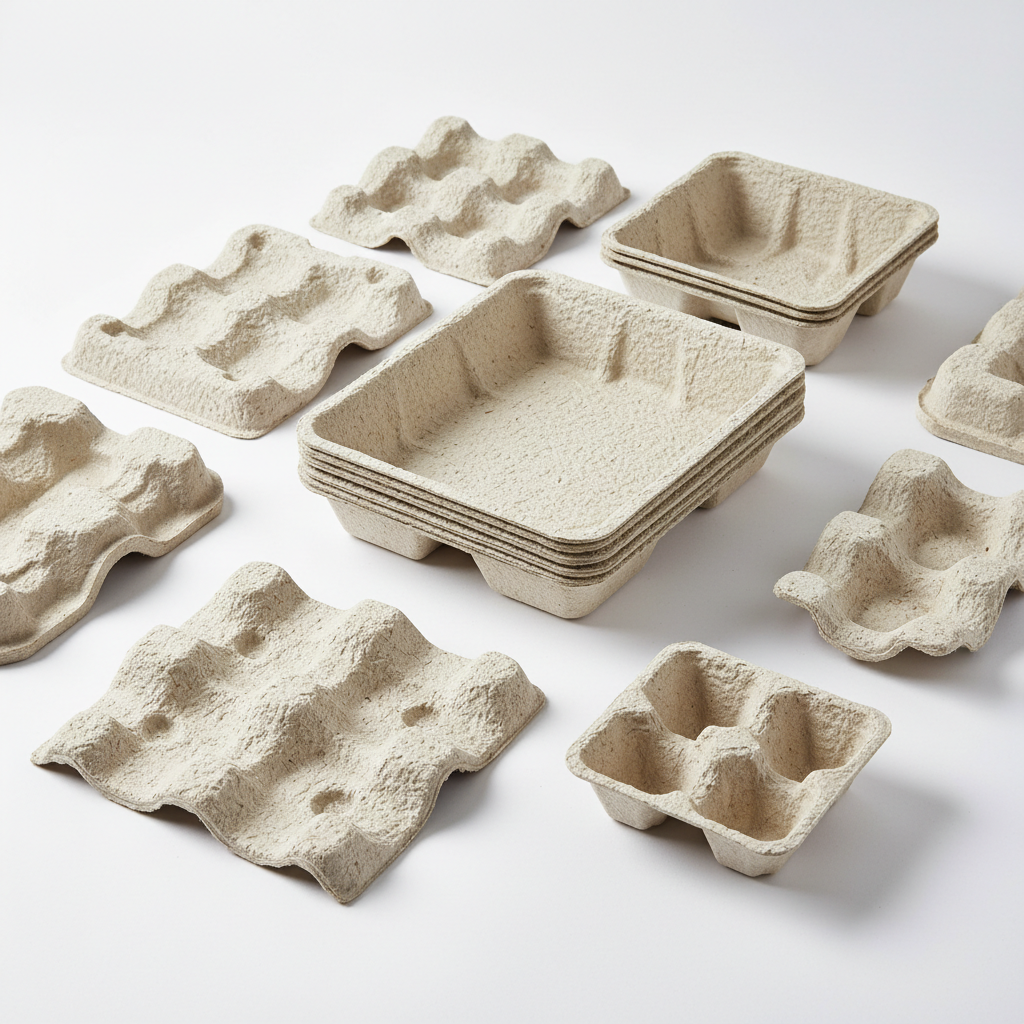
FB-03 Cottonized
Fiber-Based Packaging & Molded Pulp
Cottonized hemp replaces virgin wood pulp in molded fiber packaging — protective trays, end caps, and void fill. Higher tensile strength than recycled cardboard at equivalent weight. Fully compostable, no bleach processing required.
Tensile vs. Cardboard
+38% strength
Compostable
ASTM D6400
Bleach Input
None required
Full Spec Comparison
All values represent field-average ranges. Third-party lab certification available on request.
| Property | FB-01 Raw Bast | FB-02 Degummed | FB-03 Cottonized |
|---|---|---|---|
| Fiber Type | Long-line bast | Degummed long-line | Staple fiber |
| Tensile Strength | 550–700 MPa | 480–620 MPa | 380–500 MPa |
| Elongation at Break | 1.6–2.2% | 2.0–2.8% | 2.5–3.5% |
| Fineness | 2.5–5.0 dtex | 1.8–3.5 dtex | 1.2–2.2 dtex |
| Moisture Regain | 8–12% | 7–10% | 6–9% |
| Cellulose Content | 68–72% | 74–80% | 76–82% |
| Lignin Content | 4–6% | 1–3% | 0.5–1.5% |
| Shive Content | ≤5% | ≤2% | ≤1% |
| Packaging | 500 kg bales | 200 kg bales | 20 kg bags / bales |
Pull the
Fiber.
Decide.
Samples ship within 5 business days. Raw bast and degummed grades arrive as 500g loose bundles. Cottonized arrives as a 200g roving coil. Each sample includes a lot-specific data sheet with moisture content, tensile test results, and shive count.